From Chaos to Calendar: Stopping the Double-Booked Disaster Before It Happens
Double-booking costs businesses $26,000 yearly. Here's how smart scheduling prevents conflicts, saves revenue, and stops customers from rage-quitting.
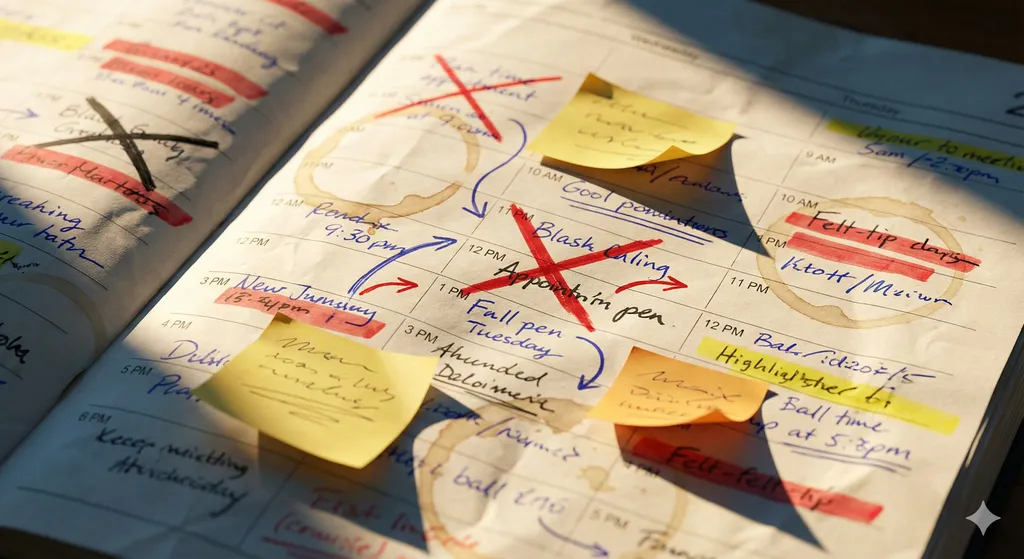
You know that sinking feeling when you realize you've double-booked two customers for the same time slot? Your stomach drops. You're scrambling to call someone, explain the mistake, and pray they don't leave a one-star review.
Here's the thing: this isn't just embarrassing. It's expensive. Small and medium businesses lose an average of $26,000 per year to scheduling conflicts and no-shows. That's real money walking out the door because your calendar doesn't talk to your booking system, or your receptionist wrote something down wrong, or your online scheduler showed a slot that was already taken.
The Real Cost of "Oops, We Double-Booked You"
Let me break down what actually happens when you double-book a customer. It's not just one lost appointment.
First, there's the immediate revenue hit. You've got to choose which customer to disappoint, and that disappointed customer might never come back. Research shows that 25% of customers who experience a double-booking give you the lowest possible rating. Not just a bad rating - the absolute worst.
Then there's the ripple effect. That angry customer tells their friends. They post on Google. They warn people in the neighborhood Facebook group. Suddenly you're not just losing one appointment - you're losing future customers who never even gave you a chance.
And here's what really hurts: 52% of customers will completely stop doing business with you after a bad scheduling experience. You spent months building that relationship, and it dies because of a calendar mistake.
Why Double-Booking Keeps Happening
Okay, so if everyone knows double-booking is bad, why does it keep happening?
The answer is pretty simple: manual processes don't scale. You might be tracking appointments across three different places - a Google Calendar, an Excel spreadsheet, and that notebook at the front desk. When Jenny takes a call and books someone, she updates the notebook. But the online system doesn't know about it. Next customer books the same slot online. Boom. Double-booked.
Or maybe you're using one of those "modern" online booking systems that's so complicated, 61% of people give up halfway through and just call you instead. Now you've got appointments coming in from two channels that don't sync. Recipe for disaster.
Here's a stat that blew my mind: 25% of field service businesses still use spreadsheets and whiteboards for scheduling in 2024. Not because they like it - because they're too busy dealing with scheduling fires to implement something better.
The 8-Minute Phone Call Problem
Let's talk about another scheduling nightmare: phone booking.
On average, scheduling an appointment over the phone takes 8 minutes. Five of those minutes are just holding. Think about what that means for your business. Your staff is tied up on calls when they could be serving customers who are actually there. Your customers are annoyed before they even walk in the door.
And if you're only taking appointments during business hours? Forget about it. Your customers work the same hours you do. They can't call you without sneaking away from their own jobs.
What Actually Works: Smart Conflict Prevention
Here's where things get interesting. Businesses that implement real-time scheduling automation see massive improvements:
- 80% reduction in scheduling conflicts
- 90% drop in no-shows when you add automated reminders
- 20-30% reduction in overtime costs from better scheduling
One medical practice in Pittsburgh implemented AI-driven scheduling that predicts no-shows and automatically optimizes the calendar. The result? An extra 168 encounters per week, adding up to $1.4 million in additional revenue over 13 months.
An HVAC contractor in Arizona cut their payment cycle from 21 days to 9 days just by using scheduling software that syncs with their accounting system. That's a 57% improvement in cash flow.
The Smart Scheduling Playbook
So what separates businesses that have their scheduling dialed in from those that are constantly putting out fires?
Real-time availability checking. Your calendar needs to update everywhere, instantly. Customer books online? Your staff sees it immediately. Receptionist books by phone? Online calendar blocks that slot before anyone else can click it.
Smart conflict prevention. The system should know when you're about to create a problem and stop you. Not just "this slot is taken" but "your technician can't get from Job A to Job B in 15 minutes" or "this customer needs a specialist and you've scheduled them with a generalist."
Automatic reminders that actually work. Text messages reduce no-shows by 38%. But here's the key - the reminder needs to include an easy way to reschedule if they can't make it. That's how you prevent the no-show before it happens.
Mobile-first booking. Your customers are on their phones. If your scheduling system doesn't work perfectly on mobile, 70% of them will start the booking process and then give up.
The Breaking Point
Here's what I've learned talking to hundreds of small business owners: the scheduling chaos doesn't just cost you money. It costs you sleep.
A 2024 survey found that 45% of small business owners report increased anxiety, and 30% have trouble sleeping. When you dig into what's causing that stress, it's the constant operational fires. The "I can't make it" text 30 minutes before a shift. The double-booking you discover when both customers show up. The angry customer who took time off work for an appointment you had to cancel.
You didn't start your business to spend all day playing calendar Tetris. You started it to serve customers and build something valuable.
What Smart Scheduling Gets You
When you get scheduling right, everything else gets easier.
Your customers feel respected. They can book 24/7 without waiting on hold. They get confirmation texts. They can reschedule without a phone call.
Your staff stops firefighting. No more awkward calls to disappoint double-booked customers. No more scrambling to fill no-show slots. They spend their time doing the work instead of fixing scheduling mistakes.
Your cash flow improves. Fewer no-shows means more completed appointments. Faster scheduling means less time between "interested customer" and "paying customer."
And honestly? You sleep better. Because you're not lying awake worrying about who you accidentally double-booked tomorrow.
The Bottom Line
Double-booking isn't just a customer service problem. It's a revenue problem, a reputation problem, and a stress problem.
The good news? This is completely solvable. We're not talking about reinventing your entire business. We're talking about implementing smart scheduling that prevents conflicts before they happen, keeps your calendar in sync across all channels, and respects your customers' time.
The businesses winning in 2025 aren't the ones working harder to juggle their calendars. They're the ones who automated the whole thing and moved on to more important problems.
Ready to stop playing calendar Tetris and start running your business?
Ready to Never Miss Another Call?
Start your free trial with Julya AI and turn every ring into revenue.
Get Started for FreeRelated Articles

The 3 AM Test: How to Book Appointments While You Sleep (Without Waking Up)
40% of appointments happen after hours. Miss those calls and you're leaving $126K on the table. Here's how to capture every lead-even at 3 AM.

The Warm Handoff: Why AI Should Brief Your Staff, Not Replace Them
Smart businesses use AI to multiply human effectiveness, not eliminate it. Here's why the warm handoff beats full automation every time.
Scripts Are Dead: How Website-Trained AI Handles Complex Calls Better
Small businesses lose $126k yearly from missed calls. AI trained on your website answers instantly, no scripts needed. Setup takes under 5 minutes.