Triage on Autopilot: How to Separate High-Value Jobs from Tire-Kickers and Spam
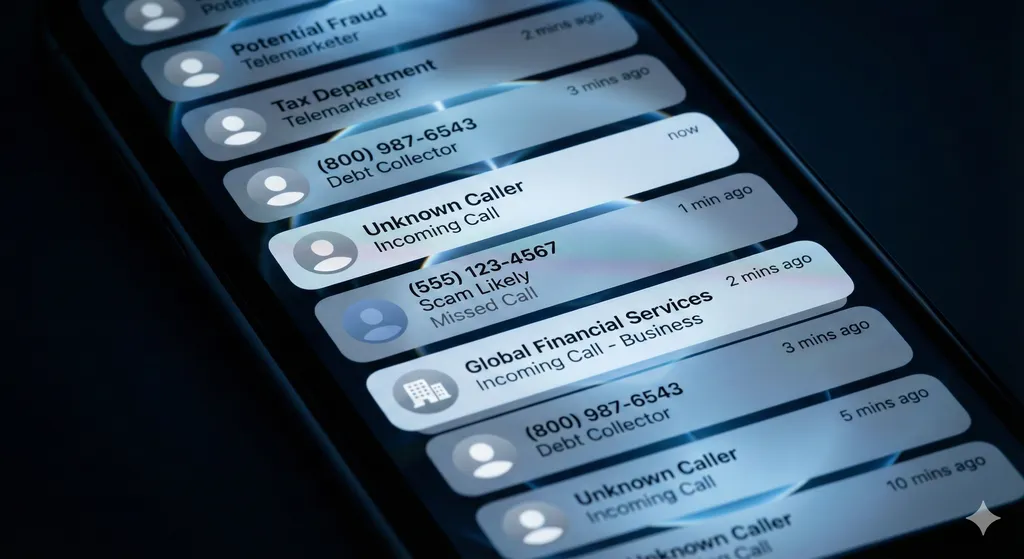
Your phone rings 50 times a day. Half are spam. A quarter are tire-kickers. You're missing the real customers. Here's how AI call screening fixes this problem.
Your phone rings. Again. You're on a ladder fixing an AC unit, and you can't answer. You finish the job, check your voicemail-nothing. That missed call? Could've been a $2,500 emergency repair. Or it could've been another robocall about your car's extended warranty.
Here's the thing: you'll never know.
And that's the problem killing service businesses in 2025.
The Numbers Don't Lie
Americans are getting hit with 2.56 billion robocalls per month right now. That's up 20% from last year. Over 35% of small business owners get fake Google verification calls weekly. The average small business loses $126,000 per year just from missed calls.
But here's what really hurts: 85% of people who don't reach you won't call back. They're already dialing your competitor.
So you're stuck. Answer every call and waste 3.7 minutes per spam call, or let it ring and potentially lose a high-value customer. It's a terrible business.
The Real Cost of Playing Phone Tag
Let me break this down with real numbers. Say you run an HVAC company. You miss two emergency calls per week-maybe you're on another job, maybe you're at lunch. That's a conservative estimate, right?
Two missed emergency calls at $450 per service ticket equals $900 per week. Over a year, that's $46,800 in lost revenue. And that's just the immediate loss. You also lost those customers permanently because the first company that answered their call became their new go-to contractor.
Long story short, in emergency services-HVAC, plumbing, electrical-the first person to pick up the phone wins the customer. Not the best service, not the cheapest price. The one who answered.
Why Your Current System Isn't Working
Here's what most service businesses do: they either hire a receptionist or use voicemail. Both options are losing you money.
A full-time receptionist costs you $45,000-$60,000 per year when you factor in salary and benefits. They work 9-to-5, so you're still missing after-hours calls-which, by the way, represent 40% of total call volume for most businesses.
Voicemail? Even worse. Only 5% of B2B voicemails get a response. And 82% of consumers don't even listen to voicemails from unknown numbers. You might as well not have a phone.
The whole model is broken.
What Actually Works: AI Call Screening
This is where it gets interesting. AI call screening systems can answer every single call, 24/7, and instantly separate the money calls from the garbage.
Here's how it works: the AI answers your phone like a real receptionist. It asks qualifying questions-what service do they need, when do they need it, what's their budget range. It can tell the difference between "my furnace died and it's 20 degrees in here" and "I'm calling about your Google Business listing."
The high-value emergency? Gets booked into your calendar immediately, and you get a text alert. The spam call? Politely handled and logged. The tire-kicker who "just wants a ballpark quote for maybe next summer"? Gets your information and goes into a follow-up sequence.
You're not wasting time. You're not missing revenue. Every legitimate customer gets a response.
The Results Are Stupid Good
A property management company implemented AI call screening in October 2024. The owner said his calendar was "already packed" every morning before he even got to the office. Zero missed leads. No receptionist salary. The technology paid for itself in weeks.
A mid-sized service company saw their sales conversion rate increase 40% in three months. A law firm saved $42,600 per year in receptionist costs while actually improving their call handling.
Here's my favorite: a carpet cleaning company in Kent was getting buried with 50+ calls daily. After implementing AI screening, they went from missing calls daily to answering every single one. The owner said customers actually complimented them on their receptionist. They didn't even realize it was AI.
The Math That Matters
Let's say you're currently missing 27% of your inbound calls-that's the industry average for home services. And let's say the average value of a service call for you is $500.
If you get 100 calls per month, you're missing 27 of them. At $500 each, that's $13,500 in lost monthly revenue, or $162,000 per year. An AI call screening system costs roughly $3,000-$5,000 annually.
That's not a good business decision. That's a no-brainer.
What You Need to Look For
Not all AI call screening systems are created equal. You want something that integrates with your calendar and CRM, can handle natural conversations without sounding like a robot, and learns from your actual business.
It should ask the right qualifying questions for your industry. An HVAC company needs to know if it's an emergency or routine maintenance. A law firm needs to know the case type and urgency. The AI should route calls differently based on the answers.
And here's what people miss: the system should get smarter over time. It should learn which types of calls turn into customers and which ones waste your time.
The Bottom Line
You're getting crushed between two forces: rising spam call volume and customers who won't wait for a callback. Your current options-hiring more people or letting calls go to voicemail-both lose you money.
AI call screening solves both problems. It answers every call instantly, filters out the junk, qualifies the leads, and books the good ones into your calendar. You're not paying for a full-time receptionist. You're not losing customers to competitors who answer faster.
The businesses already using this are seeing 40-70% improvements in conversion rates, capturing 26% more leads after hours, and saving $40,000-$60,000 per year in labor costs.
Anyway, that's the whole thesis. You can keep playing phone tag and hoping you're not missing the big ones, or you can put the triage on autopilot and focus on doing the actual work.
Ready to Never Miss Another Call?
Start your free trial with Julya AI and turn every ring into revenue.
Get Started for FreeRelated Articles

The 3 AM Test: How to Book Appointments While You Sleep (Without Waking Up)
40% of appointments happen after hours. Miss those calls and you're leaving $126K on the table. Here's how to capture every lead-even at 3 AM.

The Warm Handoff: Why AI Should Brief Your Staff, Not Replace Them
Smart businesses use AI to multiply human effectiveness, not eliminate it. Here's why the warm handoff beats full automation every time.
From Chaos to Calendar: Stopping the Double-Booked Disaster Before It Happens
Double-booking costs businesses $26,000 yearly. Here's how smart scheduling prevents conflicts, saves revenue, and stops customers from rage-quitting.